Introduction
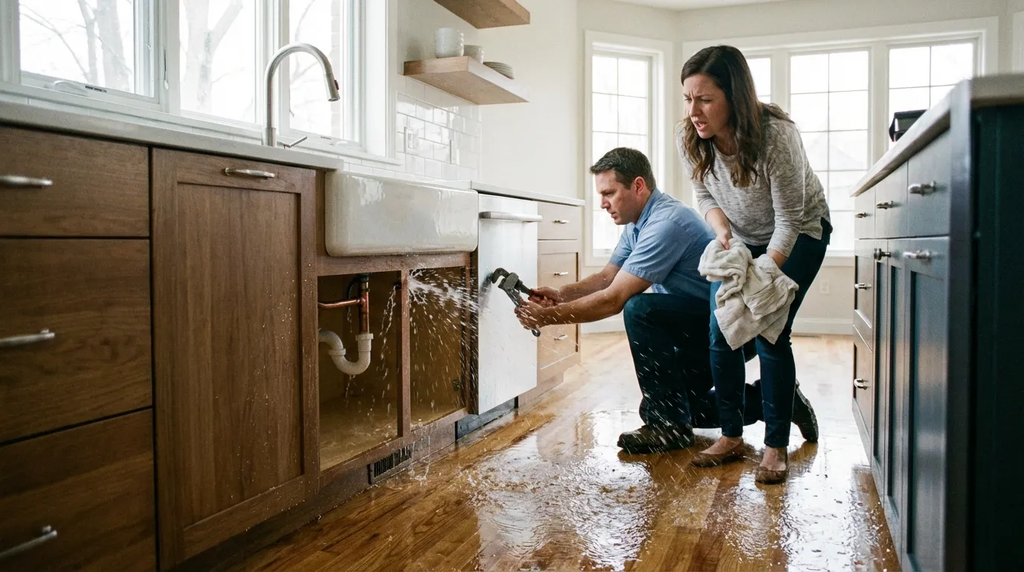
Plumbing problems rarely happen at a convenient time. A burst pipe, overflowing toilet, blocked drain, or sudden loss of water can quickly turn into a serious home emergency. In these situations, knowing when to call an emergency plumber can help protect your property and reduce costly damage. Fast action is especially important when water is spreading across floors, ceilings, walls, or electrical areas. Homeowners who understand common plumbing emergencies can make better decisions and avoid unnecessary stress.
For homeowners using PrepTrack as a helpful resource for practical home planning and preparedness, learning basic plumbing response steps can make a big difference. An emergency plumber provides urgent plumbing repair when a problem cannot safely wait until normal business hours. These professionals can inspect the issue, stop active leaks, repair damaged plumbing fixtures, and help prevent further water damage. Understanding emergency plumbing services, expected costs, and simple prevention tips gives homeowners more confidence when something goes wrong.
When You Need an Emergency Plumber
Not every plumbing issue requires immediate professional help. A slow drain or dripping faucet may often wait for a regular appointment, but some problems can cause major damage within minutes or hours. A burst water pipe is one of the clearest examples. Large amounts of water can damage flooring, drywall, furniture, insulation, and personal belongings. An emergency plumber can locate the source of the leak and take steps to control the situation before the damage becomes worse.
Related Posts:

Other urgent situations include sewage backups, overflowing toilets that cannot be stopped, major water heater leaks, frozen or broken pipes, and serious drain blockages. A complete loss of water may also require quick attention, particularly when it affects the entire home. If water is close to electrical outlets or appliances, homeowners should avoid contact with the area and seek appropriate professional help. The key question is whether waiting could increase property damage, create a health concern, or leave the home without an essential service.
Common Emergency Plumbing Services
An emergency plumber can handle many types of urgent plumbing problems. Leak detection and pipe repair are common services because hidden leaks can cause structural damage before homeowners notice them. Plumbers may inspect visible pipes, plumbing connections, fixtures, and other areas to identify where water is escaping. In some cases, specialized equipment can help locate hidden leaks without unnecessary damage to walls or floors.
Emergency drain cleaning is another frequent service. A severe clog can cause wastewater to back up into sinks, tubs, showers, or toilets. Professional drain cleaning can remove stubborn blockages and restore proper drainage. Emergency plumbing services may also include toilet repair, water heater repair, sump pump issues, sewer line problems, broken faucets, damaged valves, and pipe replacement. The exact service depends on the source and severity of the problem, so a professional inspection is often the best way to determine the right repair.
How Much Does an Emergency Plumber Cost?
The cost of hiring an emergency plumber depends on several factors. Location, time of service, type of repair, materials, labor, and the seriousness of the problem can all affect the final price. Emergency calls may cost more than standard plumbing appointments because they often happen outside regular working hours. Nights, weekends, and holidays may carry additional service charges. Homeowners should ask about the emergency call-out fee and pricing structure before approving major work.
Simple repairs may cost less than complicated jobs involving damaged pipes, sewer lines, water heaters, or extensive water leaks. The plumber may also need replacement parts or additional equipment to complete the repair. A trustworthy professional should explain the problem and provide a reasonable estimate before beginning significant work whenever the situation allows. Homeowners should be cautious of unusually low quotes that leave out important fees or unusually high prices that are not clearly explained. Comparing local plumbing companies in advance can also make an emergency easier to manage.
What to Do Before the Plumber Arrives
Taking quick action can reduce damage while waiting for professional help. If a visible pipe is leaking, homeowners should turn off the nearest shutoff valve if it is safe to do so. For a major plumbing emergency, the main water supply may need to be turned off. Knowing where the main shutoff valve is located before an emergency happens is one of the simplest ways to prepare. Homeowners should also move furniture, rugs, electronics, and other valuables away from standing water when it can be done safely.
It is also useful to document the situation with photographs or videos. This can help explain what happened to the plumber and may provide useful records for property insurance. Avoid using chemical drain cleaners repeatedly when a serious blockage is suspected, because they may damage certain plumbing components and create additional hazards for anyone working on the pipe. Homeowners should also avoid attempting complicated repairs without the right knowledge or tools. A small mistake can turn a manageable plumbing problem into a much larger repair.
How to Prevent Future Plumbing Emergencies
Good maintenance can reduce the chance of facing an unexpected plumbing emergency. Regularly checking exposed pipes for corrosion, moisture, cracks, or loose connections can help identify problems early. Homeowners should also pay attention to changes in water pressure, unusual sounds, slow drains, unpleasant odors, and unexplained increases in water use. These warning signs may indicate a developing plumbing issue that should be inspected before it becomes an emergency.
Protecting pipes from extreme temperatures is also important. In cold weather, exposed pipes may freeze and eventually burst as pressure builds inside the plumbing system. Proper insulation can reduce this risk. Homeowners should also avoid flushing inappropriate materials down toilets and should keep grease, oils, and heavy food waste out of household drains. Scheduling routine plumbing inspections can identify aging pipes, worn fixtures, water heater problems, and other concerns before they cause significant damage. For PrepTrack readers, adding basic plumbing checks to a home maintenance routine is a practical way to stay prepared.
Conclusion
A plumbing emergency can become expensive and stressful when it is ignored. Knowing when to call an emergency plumber, understanding common emergency plumbing services, and taking quick safety steps can help limit damage. Problems such as burst pipes, sewage backups, major leaks, severe drain blockages, and serious water heater failures often deserve immediate professional attention. Acting quickly can protect your home and prevent a small plumbing problem from becoming a major repair.
Homeowners can also reduce emergency risks through regular maintenance and simple preparation. Learn where your water shutoff valve is located, watch for early warning signs, protect pipes during extreme weather, and keep reliable plumbing contacts available. You can also visit the Google Business Profile here to access the provided business listing and keep the information available for future plumbing needs. With the right preparation and professional support when needed, homeowners can respond to plumbing problems with greater confidence. PrepTrack can serve as a practical reminder that preparation is not only about major emergencies; it also includes the everyday systems that keep a home safe, comfortable, and working properly.