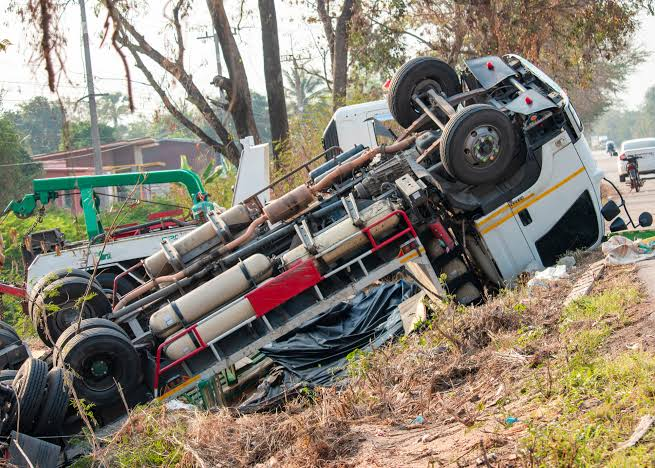
Commercial truck crashes can be far more complicated than ordinary car accidents. A large truck may weigh many times more than a passenger vehicle, and a collision can leave victims with serious injuries, expensive property damage, lost income, and long-term challenges. Determining who is responsible is not always simple. Several people or companies may share responsibility for what happened.
This is where Charlotte Truck Accident Attorneys can play an important role. A careful truck accident investigation looks beyond the visible damage at the crash scene. Attorneys may examine driver records, company policies, vehicle maintenance, electronic data, witness statements, traffic conditions, and other evidence to understand how the collision happened. The goal is to build a clear picture of the events and identify the parties that may be legally responsible.
Commercial trucking cases can involve federal and state regulations, trucking companies, independent contractors, insurance carriers, and multiple types of evidence. Because important evidence can disappear or change quickly, an early investigation can make a meaningful difference. Understanding how this process works can help injured people know what to expect after a serious truck crash.
Related Posts:

Why Commercial Truck Crashes Require a Detailed Investigation
A commercial truck accident often involves more than one possible source of fault. In a typical passenger-car collision, investigators may focus mainly on the drivers involved. A trucking case can require a much wider review. The truck driver may have made an unsafe decision, but the trucking company could also have contributed through poor training, improper scheduling, inadequate maintenance, or unsafe hiring practices.
Charlotte Truck Accident Attorneys begin by looking at the basic facts surrounding the crash. They want to know where the collision occurred, when it happened, which vehicles were involved, what each driver was doing, and what conditions existed at the time. Photographs, police reports, witness accounts, vehicle damage, road conditions, and surveillance footage can all help establish what occurred.
The size and weight of commercial trucks also make accident reconstruction especially important. A tractor-trailer needs more time and distance to stop than a passenger vehicle. Blind spots, wide turns, cargo weight, braking systems, and trailer movement can affect how a crash develops. Investigators may work with accident reconstruction professionals to study vehicle positions, skid marks, impact points, debris patterns, and other physical evidence.
Another important issue is the relationship between the truck driver and the trucking company. A driver may work directly for a carrier, operate as an independent contractor, or have another employment arrangement. The legal responsibility of each party can depend on the facts of the case. Attorneys therefore investigate the business structure as well as the accident itself.
A detailed investigation also helps separate assumptions from evidence. A truck crash may initially appear to be caused by one driver, but additional evidence can reveal other contributing factors. For example, a driver may have been rushing because of an unrealistic delivery schedule, or a mechanical problem may have developed because required maintenance was ignored. A complete investigation gives injured victims a stronger understanding of what actually happened.
How Attorneys Collect Evidence After a Truck Accident
Evidence is one of the most important parts of a commercial truck accident claim. Unfortunately, some evidence may become harder to obtain as time passes. Skid marks can disappear, damaged vehicles can be repaired or moved, surveillance recordings can be overwritten, and witnesses may forget important details. For this reason, Charlotte Truck Accident Attorneys often begin evidence preservation efforts as soon as possible.
The police crash report is usually an early source of information. It may contain the officer’s description of the collision, statements from drivers and witnesses, road conditions, citations, diagrams, and other observations. Attorneys review this report carefully, but they do not necessarily treat it as the final word on responsibility. Police reports can contain useful facts while still leaving unanswered questions.
Photographs and videos can provide another important record. Images of vehicle damage can help show the direction and force of an impact. Pictures of the truck, passenger vehicle, roadway, traffic signs, lane markings, and surrounding area may also reveal details that are difficult to remember later. Nearby businesses, traffic cameras, dashcams, and security systems may have captured part of the collision or the events immediately before it.
Witness statements can be equally valuable. A person who saw the truck changing lanes, speeding, drifting, following too closely, or behaving unusually may provide information that cannot be found in physical evidence. Attorneys may contact witnesses and document their accounts while the details are still fresh.
Truck-specific evidence is another major part of the investigation. Commercial vehicles may contain electronic systems that record information about speed, braking, movement, and other operating conditions. Depending on the vehicle and circumstances, attorneys may seek electronic logging data, event data, inspection records, maintenance documents, and other records connected to the truck.
The driver’s qualification and employment records may also matter. Investigators can examine information concerning licensing, training, driving history, drug and alcohol testing where applicable, and compliance with applicable safety requirements. The purpose is not simply to find something negative about the driver. Instead, the investigation seeks to determine whether known risks or violations played a role in the collision.
Cargo records can also become important. A truck carrying an overloaded or improperly secured load may handle differently from a properly loaded vehicle. Cargo can shift, fall, or affect braking and steering. Attorneys may therefore examine bills of lading, weight information, loading records, and other documents when the facts suggest that cargo contributed to the crash.
How Attorneys Examine the Truck Driver and Trucking Company
Determining driver behavior is a central part of many truck accident investigations. A truck driver has a duty to operate the vehicle safely and follow applicable traffic and commercial driving rules. Investigators may examine whether the driver was distracted, fatigued, speeding, following too closely, making an unsafe lane change, or failing to respond appropriately to traffic conditions.
Driver fatigue deserves special attention in commercial trucking cases. Long hours behind the wheel can reduce attention and reaction time. Federal rules governing commercial drivers include limits related to hours of service and required rest periods. Attorneys may examine logs and electronic records to determine whether a driver’s schedule was consistent with applicable requirements and whether fatigue may have contributed to the collision.
The investigation may also consider whether the driver was properly qualified and trained. Commercial vehicles require specialized skills, and some vehicles or loads may require specific qualifications. If a company placed an inadequately trained driver behind the wheel, that fact could become relevant to a negligence claim depending on the circumstances.
The trucking company itself may also come under scrutiny. Charlotte Truck Accident Attorneys may examine hiring practices, driver training, supervision, disciplinary records, safety policies, and prior incidents. The purpose is to determine whether the company took reasonable steps to operate its fleet safely.
Maintenance records are another important area. Trucks travel long distances and experience substantial mechanical stress. Brakes, tires, steering components, lights, suspension systems, and other parts require proper inspection and maintenance. If a mechanical defect contributed to the crash, investigators may examine inspection reports, repair invoices, maintenance schedules, and records of reported problems.
In some cases, a truck may have had a known mechanical issue before the collision. If a driver or company was aware of a serious defect and continued operating the vehicle, that information could be highly significant. Attorneys may compare maintenance records with witness accounts, inspection results, and physical evidence from the truck.
The investigation can also extend beyond the trucking company. A manufacturer may potentially become relevant if a defective vehicle component contributed to the crash. A maintenance provider, cargo-loading company, shipper, or other business may also become part of the investigation when its conduct contributed to the accident. Each case depends on its specific facts.
How Accident Reconstruction Helps Establish What Happened
Some truck crashes cannot be fully understood simply by looking at the police report or photographs. When the sequence of events is disputed, accident reconstruction can provide a more detailed analysis. Charlotte Truck Accident Attorneys may work with qualified reconstruction professionals to determine vehicle movement, impact forces, stopping distance, reaction time, and other factors.
An accident reconstruction specialist may examine physical evidence from the crash scene. Tire marks, vehicle crush patterns, debris locations, roadway measurements, and final resting positions can help establish how the vehicles moved before, during, and after the collision. Vehicle event data may provide additional information when it is available.
Speed is often an important question. Investigators may analyze physical evidence to determine whether a truck was traveling too fast for the conditions. Even when a driver was not exceeding the posted speed limit, speed may still matter if the vehicle was traveling too quickly for heavy traffic, poor visibility, road construction, weather, or another hazard.
Stopping distance is another major issue. A loaded commercial truck may require substantial distance to stop, particularly when road conditions are poor. Investigators may consider the driver’s reaction time, vehicle speed, road surface, braking system, vehicle weight, and roadway conditions when evaluating whether the truck could have avoided the collision.
Lane changes and blind spots can also require careful analysis. Large trucks have areas around them where nearby vehicles may be difficult for the driver to see. However, drivers are still expected to make reasonable safety checks before changing lanes or turning. Evidence may help determine whether a truck moved into another vehicle’s path without sufficient clearance.
Weather and road conditions are considered as well. Rain, standing water, fog, construction zones, poor lighting, damaged pavement, and other conditions may influence a crash. A strong investigation considers these factors rather than focusing on one event in isolation.
The purpose of accident reconstruction is not simply to create a technical report. It can help explain complicated evidence in a way that a judge, jury, insurance company, or opposing party can understand. When the facts are contested, a well-supported reconstruction may become an important part of a truck accident claim.
How the Investigation Supports a Truck Accident Claim
Once evidence has been collected and reviewed, Charlotte Truck Accident Attorneys use the findings to evaluate liability and damages. A successful investigation should connect the available evidence to the legal issues involved in the case. It should explain what happened, why it happened, who may be responsible, and how the crash affected the injured person.
Medical records are an important part of this process. Truck crashes can cause broken bones, spinal injuries, traumatic brain injuries, internal injuries, and other serious conditions. Medical documentation helps establish the nature and severity of the injuries. It can also show the treatment that was required and the ongoing effects of the accident.
Lost income may also be investigated. A serious injury can prevent a person from returning to work for weeks, months, or longer. In some cases, injuries may affect the person’s future ability to earn income. Employment records, pay information, and medical evidence can help document these financial effects.
Property damage is another part of the claim. A truck can cause extensive damage to a passenger vehicle because of the difference in size and weight. Repair estimates, photographs, vehicle inspections, and other documentation can help establish the financial loss.
Insurance coverage can make commercial truck cases more complicated. A trucking company may carry substantial commercial insurance, while other businesses or parties may have separate policies. Insurance companies often conduct their own investigations, and their interests may not match those of an injured person. Having an attorney review the evidence can help protect the victim from making decisions before the full picture is known.
Evidence preservation can become especially important when litigation is possible. Attorneys may send formal requests to preserve relevant records and physical evidence. This can include electronic data, driver records, maintenance documents, company communications, photographs, and other information connected to the crash. Preserving evidence early can reduce the risk that important material is lost.
A strong investigation also helps during settlement discussions. Insurance companies are more likely to take a claim seriously when the evidence clearly establishes liability and damages. If a fair settlement cannot be reached, the investigation can help prepare the case for litigation.
Victims should also understand that every truck accident is different. The evidence needed in one case may not be the same evidence needed in another. A rear-end collision, rollover, jackknife crash, sideswipe, underride collision, or cargo-related accident may require different investigative approaches.
The best approach is usually to avoid making assumptions before the evidence is reviewed. A commercial truck crash can involve several contributing factors, and responsibility may not be obvious at first. Professional investigation allows the facts to guide the claim.
Conclusion
A commercial truck accident can change a person’s life in seconds. Because these crashes often involve serious injuries, complex regulations, large vehicles, commercial insurance, and multiple potentially responsible parties, a careful investigation is essential. Charlotte Truck Accident Attorneys may examine the crash scene, police records, witness accounts, vehicle damage, electronic data, driver history, maintenance records, cargo information, company practices, and other evidence to understand the full story.
The investigation is not only about proving that a crash occurred. It is about determining why the crash happened and whether the driver, trucking company, maintenance provider, manufacturer, shipper, or another party may have contributed to it. Accident reconstruction and expert analysis can provide additional insight when the sequence of events is disputed.
For an injured person, early action can help protect important evidence and create a clearer record of the accident. Medical treatment, documentation, communication with insurers, and preservation of relevant evidence can all matter. If you or someone close to you has been injured in a commercial truck crash, speaking with an experienced legal professional can help you understand your options and the evidence needed to pursue a claim.