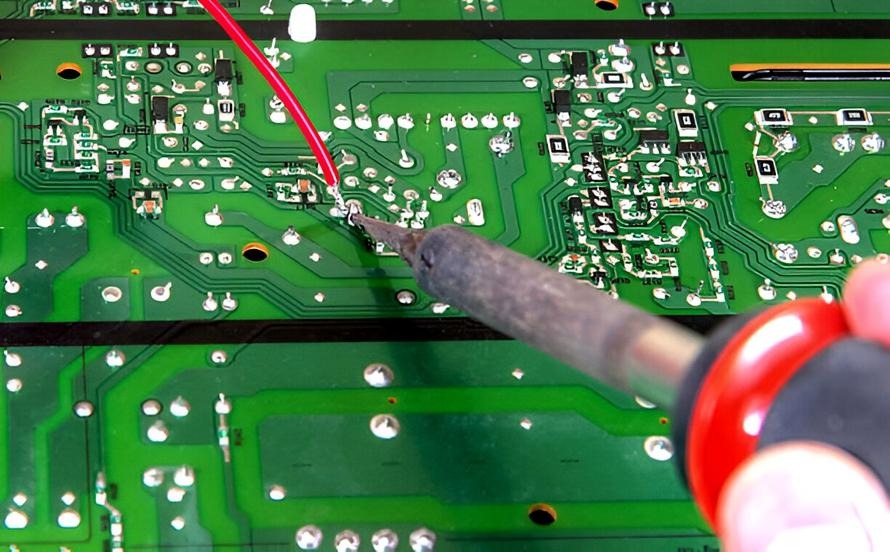
Developing electronic products often requires multiple stages of design, prototyping, testing, and refinement before moving into large-scale manufacturing. During these stages, producing a limited number of printed circuit board assemblies can help businesses validate their designs, evaluate product performance, and prepare for future production. Low volume PCB assembly offers a practical manufacturing approach for companies that need small quantities of assembled circuit boards without committing to high production volumes.
From startups developing new electronic devices to established manufacturers producing specialized equipment, small-batch PCB assembly supports flexible production planning. Understanding its process, benefits, and potential challenges can help businesses choose an assembly method that aligns with their technical requirements and budget.
What Is Low Volume PCB Assembly?
Low volume PCB assembly refers to the production of a relatively small quantity of printed circuit boards populated with electronic components. Unlike high-volume manufacturing, which focuses on producing large quantities through highly optimized production lines, low-volume assembly accommodates smaller orders and changing project requirements.
Related Posts:


The exact production quantity depends on the manufacturer and the application. Some projects may require only a few assembled boards for engineering evaluation, while others may involve hundreds of units for pilot production or specialized commercial use.
This manufacturing approach can support prototype development, product validation, limited product launches, replacement boards, and low-demand electronic products. It is particularly useful when businesses need functional circuit boards but do not yet have sufficient demand to justify mass production.
How Does the Low Volume PCB Assembly Process Work?
Although production quantities are smaller, the assembly process still requires careful planning, accurate component placement, and appropriate quality control.
1. Design Review and Manufacturing Preparation
The process begins with reviewing the PCB design files and manufacturing documentation. Customers typically provide Gerber files, a bill of materials (BOM), pick-and-place files, and assembly drawings when applicable.
The manufacturer evaluates the design for manufacturability, checking component spacing, solder pad dimensions, board specifications, and assembly requirements. Identifying potential problems before production can reduce rework and help ensure that the boards meet their intended specifications.
2. Component Procurement and Material Preparation
Once the design is approved, the required electronic components and bare PCBs are prepared for production. Depending on the agreed manufacturing model, the customer may supply the components or the assembly provider may handle procurement.
For small production runs, component availability and minimum order quantities can influence project costs. Some components may be available only in reels or larger packaging quantities, meaning the amount purchased can exceed the number needed for the immediate assembly order.
Verifying part numbers, quantities, and component specifications before production helps prevent avoidable delays.
3. Solder Paste Application and Component Placement
Surface-mount technology (SMT) is commonly used in PCB assembly because it supports accurate component placement and efficient manufacturing.
During this stage, solder paste is applied to the appropriate pads, and pick-and-place equipment positions components according to the assembly data. The boards then pass through a reflow oven, where the solder forms electrical and mechanical connections.
For low-volume orders, manufacturers may use flexible production setups that accommodate different board designs without requiring extensive production runs.
4. Through-Hole Assembly and Soldering
Some circuit boards include components with leads that pass through drilled holes in the PCB. These components are assembled using through-hole technology (THT).
Depending on the board design and production requirements, soldering may be performed using wave soldering, selective soldering, or manual methods.
Mixed-technology boards containing both SMT and through-hole components may require several assembly stages. Proper process planning helps maintain consistency and avoid unnecessary handling.
5. Inspection and Functional Testing
After assembly, the boards undergo appropriate inspection and testing procedures. Automated optical inspection (AOI) can identify visible component placement and soldering issues, while X-ray inspection may be useful for examining certain hidden solder joints.
Electrical testing and functional testing can help verify whether the assembled boards meet their specified requirements. The exact inspection plan depends on the design complexity, intended application, customer expectations, and required reliability level.
6. Final Quality Checks and Delivery
The final stage includes reviewing completed assemblies, checking for visible defects, and confirming that agreed production and testing requirements have been met.
Boards may then be packaged using suitable protective materials and prepared for shipment. Clear communication regarding delivery schedules, documentation, and packaging helps ensure that small production orders reach customers in the required condition.
Key Benefits of Low Volume PCB Assembly
Lower Initial Production Commitment
One of the main advantages of low-quantity PCB manufacturing is that businesses can produce a limited number of units without committing to a large order.
This is useful for startups, research teams, and companies developing new products. Smaller production quantities allow teams to evaluate their designs before investing in larger manufacturing runs.
Greater Design Flexibility
Electronic product development frequently involves design revisions. A small production run allows engineers to evaluate component choices, board layouts, and circuit performance before finalizing the design.
If testing reveals an issue, the next production batch can incorporate the necessary improvements. This flexibility can help reduce the risk of producing large quantities of boards that require expensive modifications.
Support for Prototyping and Pilot Production
Low-volume assembly can bridge the gap between an initial prototype and full-scale manufacturing. Engineering teams can use assembled boards for testing, demonstrations, field trials, and product qualification.
Pilot production also helps businesses evaluate manufacturing workflows and identify potential assembly issues before increasing order quantities.
Reduced Inventory Pressure
Producing only the quantity required for current demand can help businesses avoid holding excessive finished-product inventory.
This approach may be useful for specialized industrial electronics, replacement assemblies, and products with uncertain sales forecasts. However, effective inventory planning remains important because component suppliers may impose minimum order quantities.
Access to Professional Manufacturing Equipment
Even small production orders can benefit from professional assembly equipment, experienced technicians, and established inspection procedures.
Outsourcing assembly can help businesses avoid the investment required to establish their own production facilities while allowing internal teams to focus on design, engineering, and product development.
Common Challenges and How to Manage Them
Despite its advantages, small-batch PCB production presents several considerations that businesses should evaluate.
Higher per-unit costs: Smaller orders spread setup, programming, and engineering expenses across fewer boards. Consolidating compatible orders or selecting readily available components may help control costs.
Component availability: Certain electronic parts may have long lead times or minimum purchasing requirements. Checking availability early can help prevent production delays.
Setup requirements: Different board designs may require separate machine programming, stencils, and production preparation. Providing complete and accurate documentation can reduce unnecessary setup work.
Design changes: Frequent revisions can increase engineering and manufacturing costs. Finalizing the design before assembly and maintaining clear revision control helps minimize errors.
Testing requirements: Inspection and functional testing add time and expense but may be essential for confirming product performance. Testing procedures should be established according to the application’s actual requirements rather than production quantity alone.
Applications of Low Volume PCB Assembly
Small-batch PCB manufacturing serves a wide range of industries and product categories.
- Consumer electronics: New devices, smart home products, and specialized electronic accessories.
- Industrial equipment: Control boards, monitoring systems, and automation modules.
- Medical electronics: Development and production of electronic assemblies subject to application-specific quality and regulatory requirements.
- Automotive electronics: Prototype boards, engineering samples, and limited production applications.
- Internet of Things (IoT): Sensor modules, connected devices, and wireless communication products.
- Research and development: Experimental circuits, university projects, and engineering validation boards.
The production method, component selection, inspection plan, and testing requirements should be tailored to the needs of each application.
How to Choose the Right PCB Assembly Partner
Selecting an experienced assembly provider can make a significant difference in product quality, production efficiency, and delivery reliability.
Businesses should evaluate the manufacturer’s SMT and through-hole capabilities, experience with similar PCB designs, inspection equipment, and support for prototype or pilot production. It is also important to confirm whether the provider can accommodate the required board dimensions, component packages, and expected order quantities.
Before placing an order, request a clear quotation covering setup charges, assembly costs, material procurement, testing, and shipping where applicable. Ask how the manufacturer manages design revisions, component shortages, quality issues, and production schedules.
A reliable partner should also communicate technical concerns early and provide clear information about production capabilities and limitations.
Conclusion
Low-volume PCB assembly provides an effective way for businesses to manufacture small quantities of electronic boards while maintaining flexibility during product development and limited production. Its benefits include lower initial production commitments, support for design improvements, reduced finished-goods inventory, and access to professional manufacturing capabilities. Although setup expenses, component availability, and per-unit costs require careful consideration, proper planning can help businesses achieve reliable results. By selecting an experienced manufacturing partner and clearly defining design, material, inspection, and delivery requirements, companies can determine whether Low-Volume PCB Assembly Services are the right solution for their electronic manufacturing projects.